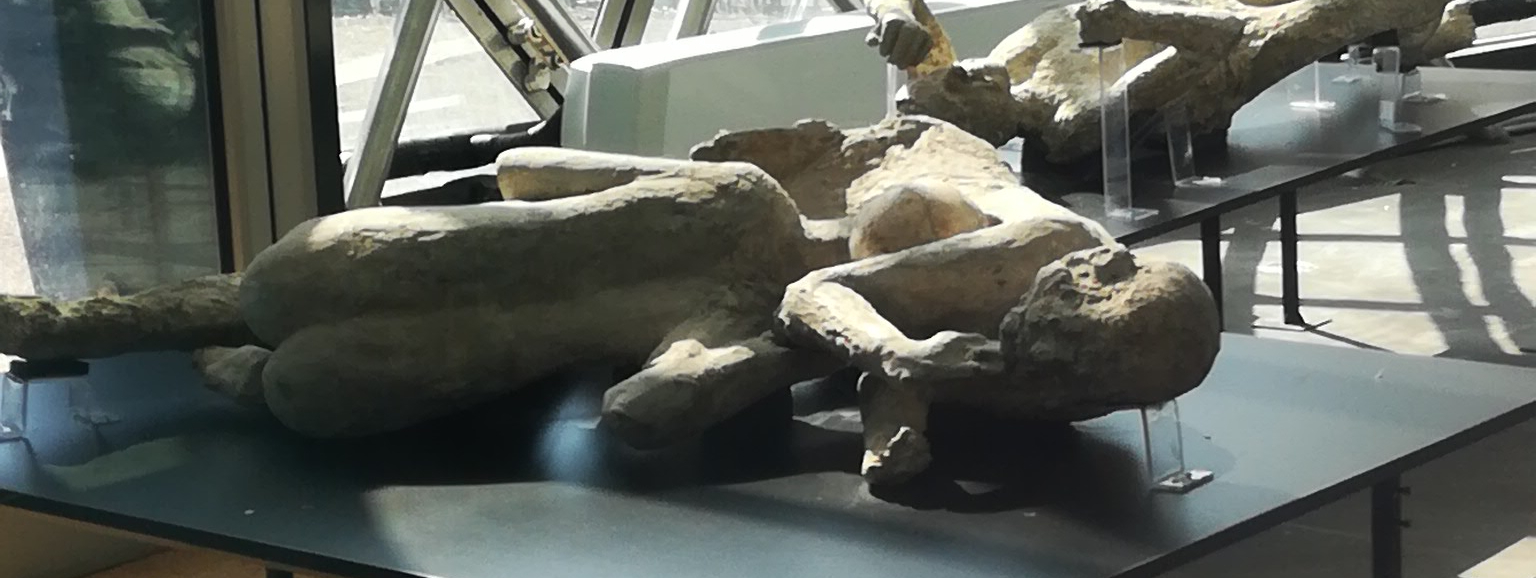
“I am now convinced that the role of Israel as the unifying centre of Judaism – and I underline ‘now’ – is in an eclipse phase. It is imperative, therefore, that the focal point of Judaism be inverted, returning outside Israel, returning to us, the Jews of the Diaspora who have the task of reminding our Israeli friends of the Jewish vein of tolerance.”[i] #PrimoLevi (1984)
| “Gli ebrei”* (1972) Natalia Ginzburg Gli ebrei, La Stampa del 14 settembre 1972. “A volte ho pensato che gli ebrei di Israele avevano diritti e superiorità sugli altri essendo sopravvissuti a uno sterminio. Questa non era un’idea mostruosa, ma era un errore. Il dolore e le stragi di innocenti che abbiamo contemplato e patito nella nostra vita, non ci danno nessun diritto sugli altri e nessuna specie di superiorità. Coloro che hanno conosciuto sulle proprie spalle il peso degli spaventi, non hanno il diritto di opprimere i propri simili con denaro o armi, semplicemente perché questo diritto non lo ha al mondo anima vivente. Quando qualcuno parla di Israele con ammirazione, io sento che sto dall’altra parte. Ho capito a un certo punto, forse tardi, che gli arabi erano poveri contadini e pastori. So pochissime cose di me stessa, ma so con assoluta certezza che non voglio stare dalla parte di quelli che usano armi, denaro e cultura per opprimere dei contadini e dei pastori. Dopo la guerra, abbiamo amato e commiserato gli ebrei che andavano a Israele pensando che erano sopravvissuti a uno sterminio, che erano senza casa e non sapevano dove andare. Abbiamo amato in loro le memorie del dolore, la fragilità, il passo randagio e le spalle oppresse dagli spaventi. Questi sono i tratti che noi amiamo oggi nell’uomo. Non eravamo affatto preparati a vederli diventare una nazione potente, aggressiva e vendicativa. Speravamo che sarebbero stati un piccolo Paese inerme, raccolto, che ciascuno di loro conservasse la propria fisionomia gracile, amara, riflessiva e solitaria. Forse non era possibile. Ma questa trasformazione è stata una delle cose orribili che sono accadute”. | “The Jews” Natalia Ginzburg “At times I have thought the Jews in Israel had rights and superiority over others because they had survived the extermination. It was not a monstrous idea, but it was wrong. The suffering and the massacre of innocents we have contemplated and borne throughout our lives does not give us rights over others and does not make us in any way superior. Those who have had to carry the burden of fear on their own shoulders have no right to oppress their fellow human beings with money or arms, simply because no living soul in the world has that right. When someone expresses admiration for Israel, I feel I am on the other side. I have come to understand, perhaps too late, that the Arabs were poor peasants and shepherds. I know very few things about myself, but I know for a fact that I don’t want to be on the side of those using weapons, money, and culture to oppress peasants and shepherds. After the war, we loved and commiserated the Jews who went to Israel thinking that they’d survived an extermination, that they were without a home and didn’t know where to go. About them, we loved their memories of the pain, their fragility, their stray step, and their shoulders oppressed by fears. These are the traits we love in human beings today. We were not in the least prepared to see them become a powerful, aggressive and vindicative nation. We hoped that they would be a small, composed Country, that each and every one of them could maintain their delicate, bitter, reflective and solitary physiognomy. Perhaps it was not possible. But this transformation was one of the most horrible things that has happened.” Translation ©Matilda Colarossi 2025 |
During the fascist regime, Natalia Ginzburg suffered persecution and the confinement of her husband, Leone Ginzburg, who was an anti-Fascist. Her family was exiled to Abruzzo from Turin; her husband was arrested, tortured and died in prison. An account of her experience can be found in works such as La strada che va in città (The Road to the City) and the short story Inverno in Abruzzo (Winter in Abruzzo). She wrote this article in September 1972, while the world was still trying to get over the shock of the Munich attack. It was published in La Stampa, and it would remain memorable for its lucidity and intellectual courage, for her will to speak out on such a thorny topic.
I would now like to add this incredibly touching poem by Primo Levi…As I read it today, I try to imagine other victims and wonder…Yes, I wonder.
| If this is a man Primo Levi You who are safe in the warmth of your homes, you who find upon returning at night warm food and friendly faces: Ask yourself if this is a man who works in the mud who knows no peace who fights for a bit of bread who dies for a yes or a no. Ask yourself if this is a woman, with no hair and no name with no more strength to remember empty the eyes and cold the womb like a frog in winter . Think about what came to pass: hold dear these words. Carve them into your heart when at home when on the street, before you sleep as you awake Repeat them to your children Or may your house fall in ruins, poor health encumber you and your offspring turn away. 1947 Translation ©Matilda Colarossi 2016 |
Primo Levi is perhaps one of Italy’s finest writers and the author of such great works as If This Is a Man; The Periodic Table; If Not Now, When?; The truce…
More by the author can be found here: https://paralleltexts.blog/tag/primo-levi/
[i] Gad Lerner interviews Primo Levi; the complete interview here: https://francescomacri.wordpress.com/2023/12/03/primo-levi-israele-se-questo-e-uno-stato-una-singolare-intervista-del-1984/
[ii] From *https://www.ilgiornaleditalia.it/news/esteri/721319/natalia-ginzburg-e-l-articolo-gli-ebrei-del-1972-destinato-a-rimanere-mentre-il-mondo-elaborava-lo-choc-dell-attentato-di-monaco.html
https://creativecommons.org/licenses/by-nc-nd/4.0/
Tip jar
Choose an amount
Thank you for helping to keep paralleltexts.blog publicity free. Your contribution is appreciated.
Tip parallel texts: words reflected